

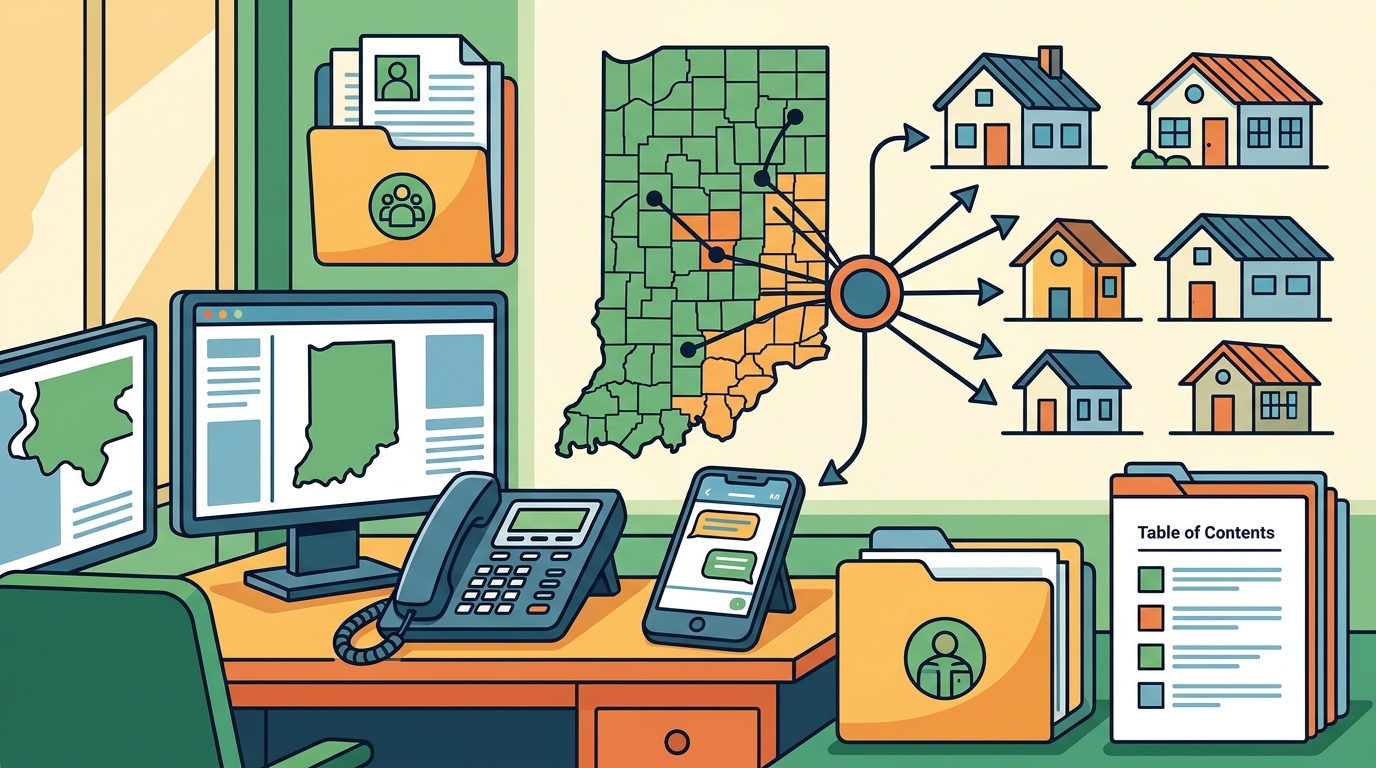
Indiana's 211 service connects you to emergency shelter by providing a centralized, 24/7 phone and text line that triages your immediate safety needs. When you call or text 211, a trained operator assesses your situation and directs you to the nearest available shelter, transitional housing, or rapid rehousing program. This system is designed to reduce the time between crisis and care by linking you directly to local providers who can offer a safe place to sleep tonight.
The Role of 211 in Indiana's Safety Net
211 is a universal access number for community-based information and referral services. In Indiana, it serves as the primary gateway for individuals facing housing instability, food insecurity, and utility shut-offs. The service operates on a non-judgmental basis, ensuring that anyone in crisis can reach a human or automated system that understands the local landscape of social services. For those in urgent need of shelter, 211 acts as the first point of contact, bridging the gap between a person in distress and the specific agencies capable of providing immediate assistance.
The effectiveness of 211 relies on its ability to maintain an up-to-date database of local resources. This includes emergency shelters, which provide short-term overnight stays, and transitional housing programs, which offer longer-term support while individuals work toward permanent housing. By centralizing this information, 211 eliminates the need for individuals to navigate multiple agency websites or make numerous phone calls to find a single bed. This efficiency is critical during high-demand periods, such as winter months or economic downturns, when shelter capacity is often at its limit.
How the Referral Process Works
When you contact 211, the process begins with a brief intake assessment. The operator will ask about your location, the number of people in your household, and any specific safety concerns, such as domestic violence or health emergencies. This information allows the operator to filter the database for resources that match your specific needs and geographic location. The goal is to provide a targeted list of options rather than a generic directory, ensuring that the referrals are actionable and relevant.
For emergency shelter, the operator will typically provide the name, address, and phone number of the nearest facility with available beds. They may also provide information on eligibility requirements, such as whether the shelter accepts families, individuals, or specific demographics. It is important to note that 211 does not guarantee a bed; it provides the information needed to secure one. You will still need to contact the shelter directly to confirm availability and complete any intake procedures. This distinction is crucial for managing expectations and planning your next steps effectively.
Preparing for Your Call to 211
To make the most of your interaction with 211, it is helpful to prepare a few key pieces of information before you dial. Have your current location, including the city and ZIP code, ready, as this helps the operator identify the closest resources. If you are traveling with family members, know their ages and any specific needs, such as medical conditions or disabilities. Additionally, if you have any identification documents, such as a driver's license or birth certificate, have them accessible, as many shelters require photo ID for check-in.
It is also beneficial to have a list of questions ready to ask the operator. For example, you might ask about the shelter's check-in times, whether they provide meals, and if they have a waiting list. These details can help you plan your arrival and ensure you are prepared for the intake process. By being organized and clear in your communication, you can streamline the referral process and increase your chances of securing a safe place to stay.
Alternative Resources and Next Steps
While 211 is a valuable resource, it is not the only option available in Indiana. Local community action agencies, faith-based organizations, and non-profit shelters often have their own direct lines and websites where you can check availability. For those who prefer a digital approach, No One Left Outside offers a free, source-labeled directory of housing and community resources in Indiana. This platform provides step-by-step guides and local listings that can complement the referrals you receive from 211, giving you a broader view of the available support network.
If you are unable to reach 211 or if the referrals do not meet your needs, consider reaching out to local legal aid organizations or housing navigation centers. These entities can provide additional support, such as assistance with eviction prevention or help in finding long-term housing solutions. By combining the immediate triage of 211 with the detailed resources available through platforms like No One Left Outside, you can create a comprehensive plan for addressing your housing crisis.
Key Takeaways
- 211 is a 24/7 phone and text line that connects you to local emergency shelter and housing resources in Indiana.
- The service provides targeted referrals based on your location, household size, and specific safety needs.
- 211 does not guarantee a bed; you must contact the shelter directly to confirm availability and complete intake.
- Prepare your location, ID, and household details before calling to streamline the referral process.
- Combine 211 referrals with digital directories like No One Left Outside for a more comprehensive view of local resources.
- Local community action agencies and non-profits offer additional direct lines and support for housing navigation.
Frequently Asked Questions
Is 211 free to use in Indiana?
Yes, calling or texting 211 is free. There is no charge for the service, and it is available 24 hours a day, seven days a week.
Does 211 provide transportation to shelters?
211 does not provide transportation directly, but it can refer you to local transportation assistance programs or ride-sharing services that may help you get to a shelter.
What if I am in immediate danger?
If you are in immediate danger, call 911 first. 211 is for non-emergency information and referrals, while 911 is for life-threatening emergencies.
Can I use 211 if I am not a U.S. citizen?
Yes, 211 is available to everyone, regardless of immigration status. The service is designed to help all individuals in crisis, including those who may not be eligible for certain government benefits.
How long does it take to get a referral from 211?
Referrals are typically provided during your initial call or text. The operator will give you the contact information for the nearest available shelter, allowing you to reach out immediately.
What if the shelters 211 refers me to are full?
If the initial referrals are full, ask the 211 operator for alternative options or nearby counties with available capacity. You can also check digital directories like No One Left Outside for additional listings.
Conclusion
Indiana's 211 service is a vital tool for anyone facing housing instability, offering a direct line to emergency shelter and other critical resources. By understanding how the referral process works and preparing for your call, you can navigate this system more effectively and secure the help you need. For additional support and detailed local listings, explore the free resources available at No One Left Outside to ensure you have all the information necessary to find a safe place to sleep tonight.