
Emergency shelter is a temporary living arrangement for people who cannot stay in their previous residence or lack a residence entirely. In Indiana, the state government and local partners operate a network of funded shelters designed to provide immediate safety. No One Left Outside helps you navigate these options by providing clear, source-labeled directories for both Kentucky and Indiana. This guide outlines seven specific pathways to find a safe place to sleep tonight.
1. Indiana 211 for Immediate Referrals
Call 211 to connect with local coordinators who can direct you to open beds. Indiana 211 is the primary access point for housing, food, and utility resources across the state. The service is available 24/7 and can help you identify shelters in your specific county. When you call, the operator can provide direct phone numbers for local providers, saving you time during a crisis.
2. Emergency Solutions Grant (ESG) Providers
Target shelters funded by the Emergency Solutions Grant for essential services. The Emergency Solutions Grant (ESG) provides federal funding for essential services and homeless prevention activities to emergency homeless shelters. These providers often offer more than just a bed, including case management and connections to long-term housing. You can find a list of ESG-funded partners through the Indiana Housing and Community Development Authority. according to Emergency Solutions Grant
3. No One Left Outside Directory
Use a free, source-labeled directory to verify current shelter status. No One Left Outside is a free public-resource tool that builds step-by-step guides for housing and community help. The platform is designed to protect your privacy, which is critical if you are using a monitored device. It provides clear next steps and links to official sources, ensuring you are not left with dead phone numbers or outdated information.
4. Disaster-Activated Shelters
Check state emergency management channels during declared disasters. During severe weather or other emergencies, the Indiana Office of Emergency Management may activate additional shelters. These facilities are often located in schools, community centers, or other public buildings. Availability depends on the size and timing of the event, so monitoring official state alerts is crucial during a crisis.
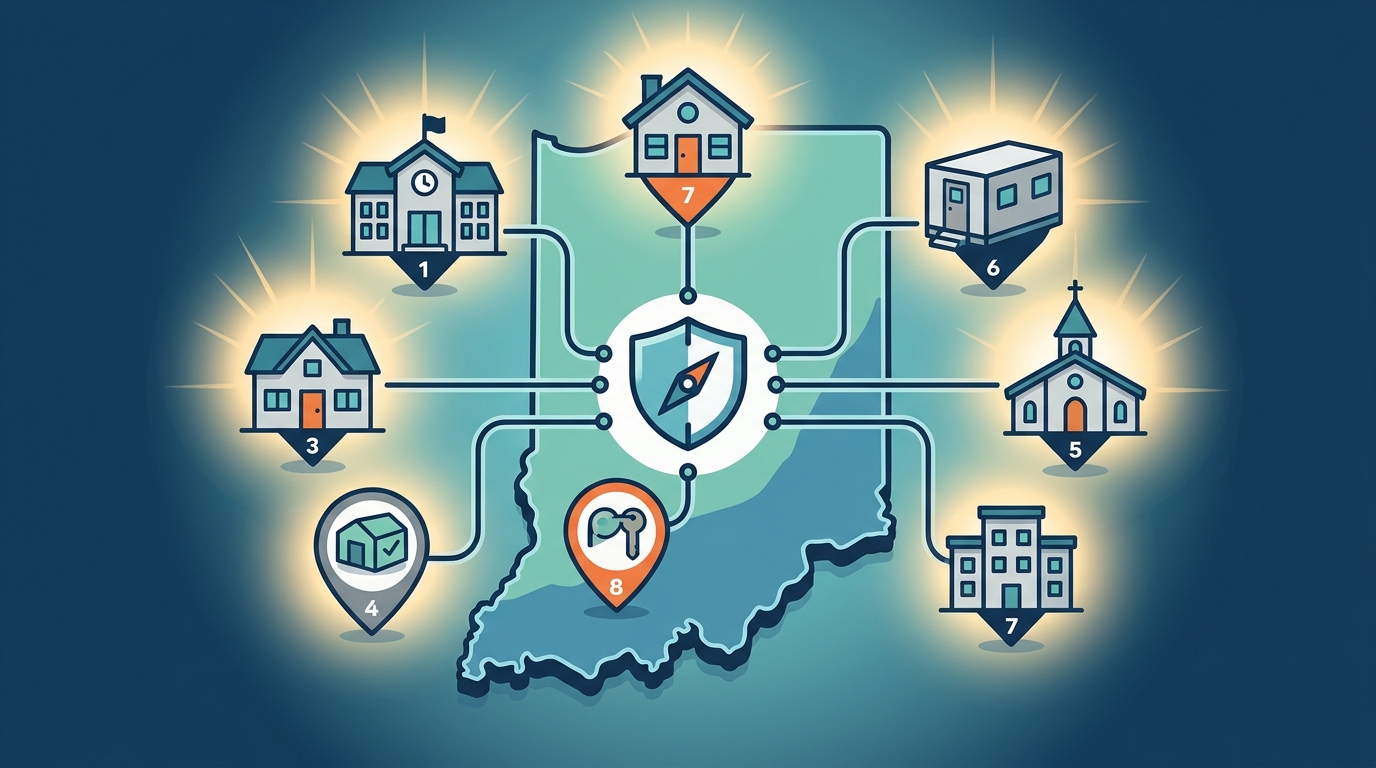
5. Faith-Based and Community Shelters
6. Specialized Shelters for Specific Populations
Look for facilities designed for veterans, families, or survivors of violence. Some shelters are tailored to specific needs, such as domestic violence survivors or veterans. These specialized programs often provide confidential locations and targeted advocacy services. If you fall into one of these categories, seeking out a specialized provider can offer a safer and more supportive environment than a general emergency shelter.
7. Transitional Housing Programs
Explore transitional housing for a bridge to permanent stability. Transitional housing is a short-term residence that provides support services to help individuals move toward permanent housing. While not always an immediate drop-in option, these programs are a critical next step after emergency shelter. They often require an application and assessment but offer a more stable environment than a single night in an emergency facility.
Choosing the Right Option
Select the option that matches your immediate safety needs and specific circumstances. If you are in immediate danger, call 911. For a safe place to sleep tonight, start with Indiana 211 or the No One Left Outside directory to find the nearest verified shelter. Always confirm details directly with the provider before traveling, as availability can change rapidly.
Frequently Asked Questions
Is No One Left Outside a government agency?
No, No One Left Outside is an independent, free public-resource tool. It is not a government office or a 501c3 charity. It provides source-labeled information to help you navigate official resources in Kentucky and Indiana.
Do I need an account to use the No One Left Outside directory?
No, the platform is free to use and requires no account. It is designed to be safe and anonymous, allowing you to find help without sharing personal data if you are concerned about privacy.
How do I find a shelter in my specific Indiana county?
You can use the No One Left Outside directory to filter resources by state and county. Alternatively, dialing 211 will connect you with a local operator who can provide specific phone numbers for shelters in your area.
Are emergency shelters open 24 hours a day?
Availability varies by provider. Some shelters operate 24 hours, while others have specific check-in times. It is essential to call ahead to confirm current hours and whether walk-in access is permitted.
What should I bring when I go to an emergency shelter?
Bring any identification you have, such as a driver's license or birth certificate, and any important documents. If you have children, bring their birth certificates. Having these documents ready can help you access additional services and benefits while you are in shelter.