
No One Left Outside maintains a transparent verification process to ensure listed resources are current. The platform uses a dedicated methodology to track when each listing was last checked. This approach helps users in Kentucky and Indiana trust the information they receive during a crisis. You can review the specific status labels and verification dates directly on the site.
The Verification Methodology
Resource verification is the systematic process of confirming that a service provider is still operating and offering the specific aid listed. No One Left Outside employs a rigorous review cycle to maintain data integrity. The organization does not simply scrape data from the internet. Instead, it actively monitors the status of each entry. This ensures that users are not directed to closed or defunct programs.
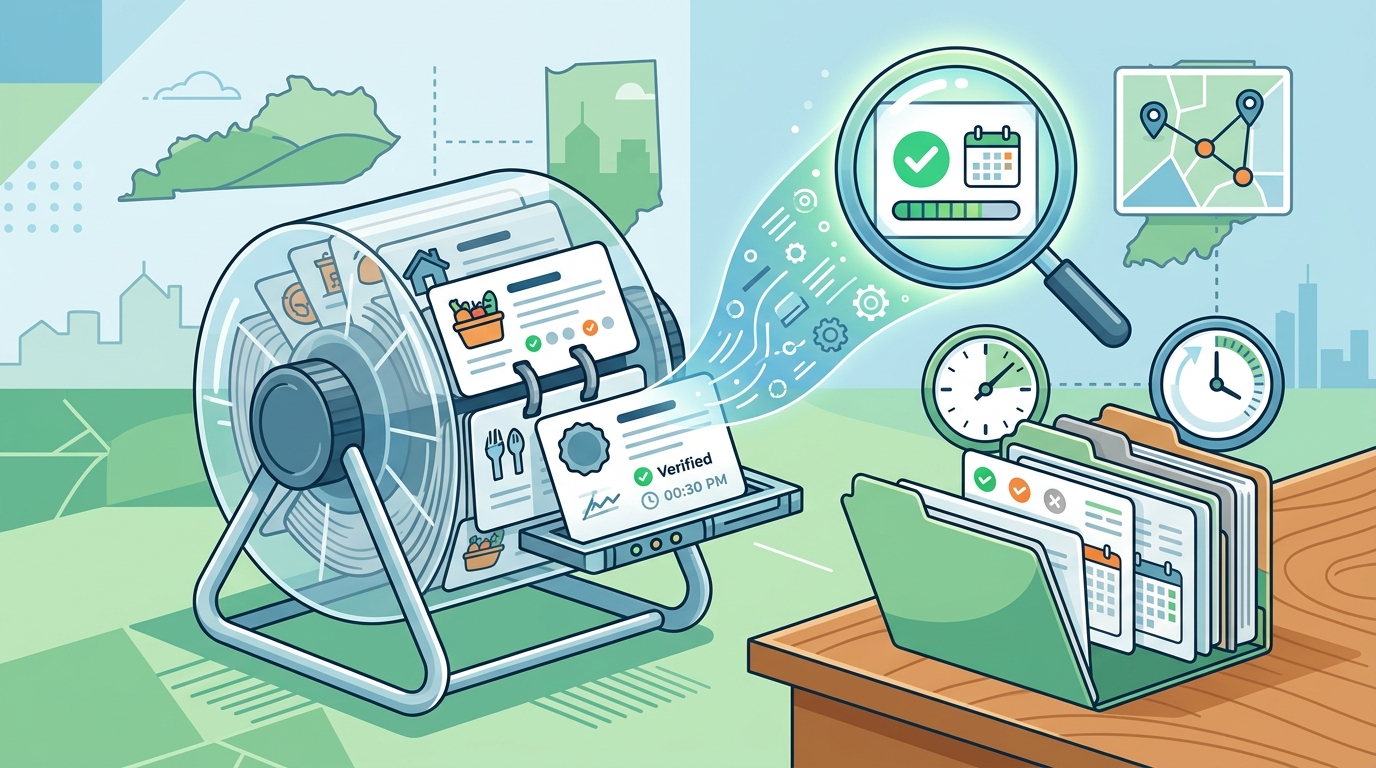
The platform distinguishes between different levels of verification. Some listings may be confirmed through direct contact with the provider. Others may be verified through official government databases. The Methodology and Trust page details exactly how these checks are performed. This transparency allows users to understand the confidence level behind each resource.
Understanding Status Labels
Status labels are visual indicators that show the current verification state of a resource. These labels provide immediate context about how recently the information was checked. A label might indicate that a listing was verified within the last month. Another might show that it was verified within the last year. This distinction is critical for users making urgent decisions.
Users should look for these labels when browsing the directory. They serve as a quick reference for data freshness. The Methodology and Trust section explains what each label means. It also clarifies what the labels do not promise. This prevents misunderstandings about the guarantee of service availability.
Community Reporting Mechanisms
This mechanism relies on the collective experience of the community. It ensures that the directory evolves with real-world changes. Providers may close, move, or change their hours. User reports help the team identify these shifts quickly. This collaborative approach strengthens the reliability of the platform.
Reviewer Guidelines and Standards
Reviewer guidelines are the standards used by the team to evaluate reported changes. When a user submits a report, a reviewer assesses the claim. They check the provider's official website or contact them directly. The Reviewer Guide outlines what reviewers check and what they do not send. This ensures consistency in how updates are processed.
These guidelines protect the integrity of the data. They prevent malicious or erroneous reports from corrupting the directory. The process is designed to be fair and objective. It balances the need for speed with the need for accuracy. This careful review process is a key part of the trust framework.
Privacy and Safety Considerations
Privacy and safety are central to the design of the platform. The site includes a Quick Exit feature for users in unsafe situations. This feature allows them to leave the site immediately. However, it does not clear browser history or downloads. The Privacy and Safety page explains these limits honestly.
Users should be aware of their digital footprint. If their device is monitored, they should use a safer device. The platform provides clear warnings about these risks. This commitment to safety is part of the overall trust model. It ensures that users can access help without compromising their security.
Key Takeaways
- Resource verification is an active process, not a passive data scrape.
- Status labels indicate how recently a listing was checked.
- Users can report changes to keep the directory accurate.
- Reviewer guidelines ensure consistent and fair evaluation of reports.
- Privacy features like Quick Exit have specific limitations.
- The Methodology page provides full transparency on verification steps.
Frequently Asked Questions
How often are resources verified?
Verification frequency varies by resource type. Some are checked monthly, while others are checked annually. The status label on each listing indicates the last verification date. according to Trustworthy ML Resources
What does a status label mean?
A status label shows the current verification state of a resource. It indicates how recently the information was checked and confirmed.
Can I report a change to a listing?
Yes, you can use the Report a Change page to submit updates. This helps keep the directory accurate and up to date.
Is the data guaranteed to be 100% accurate?
No, no directory can guarantee 100% accuracy. However, the verification process and community reporting help maintain high reliability.
How does the Quick Exit feature work?
Quick Exit takes you to a neutral site immediately. It does not clear browser history or downloads, so use a safer device if needed.
Where can I find the full methodology?
The Methodology and Trust page details exactly how resources are verified and what the status labels mean.
Conclusion
Trust in a resource directory depends on transparency and active maintenance. No One Left Outside provides clear tools for users to verify the accuracy of listings. By understanding the methodology, status labels, and reporting mechanisms, you can use the platform with confidence. For more information, visit the Methodology and Trust page. according to AI What to