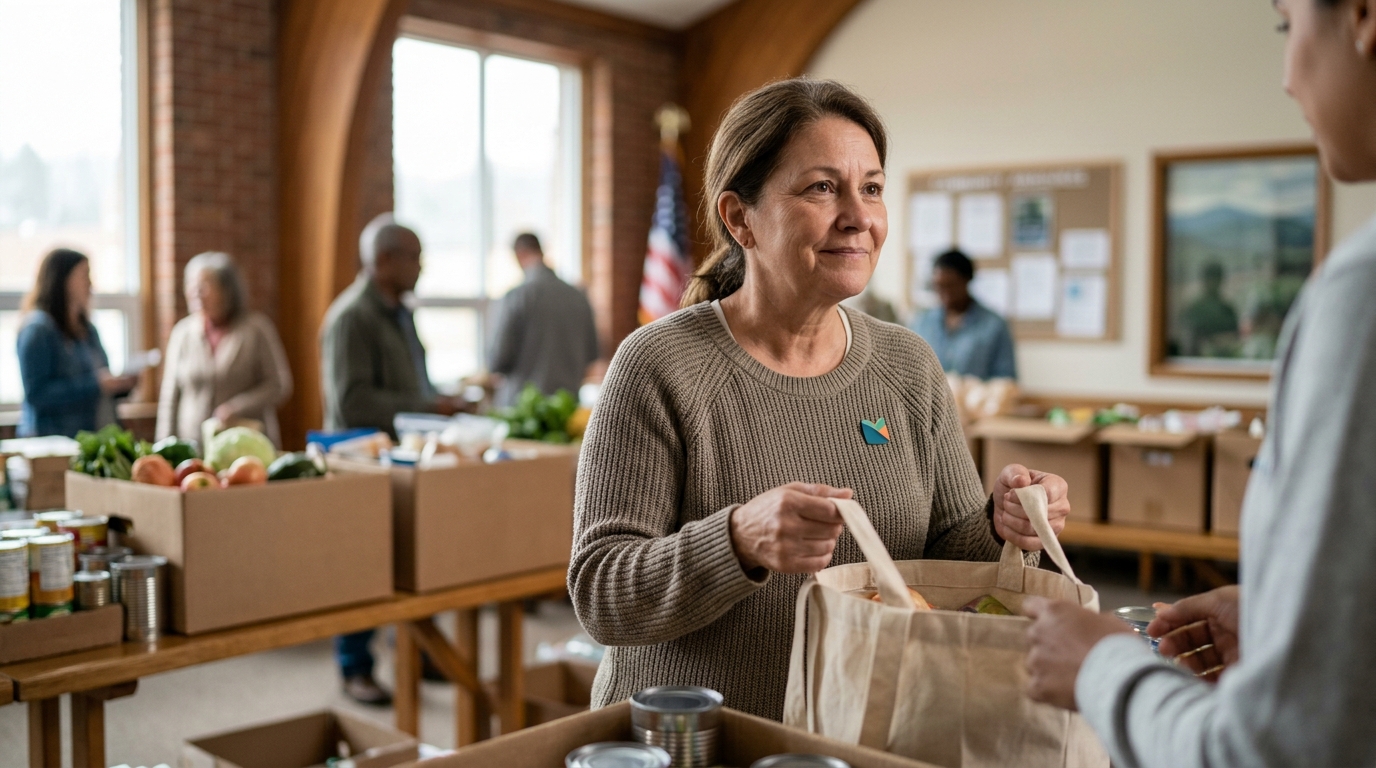
What to Know Before Visiting a Food Pantry in Kentucky or Indiana
Before visiting a food pantry in Kentucky or Indiana, you should know that most locations operate on specific days and times, and many require you to call ahead or present a photo ID. No One Left Outside helps you find verified local resources and understand what to expect so you can get the help you need without unnecessary delays or confusion.
Understanding Operating Schedules and Hours
Food pantries are not always open during standard business hours. Many operate on a limited schedule, such as one or two days a week, to manage volunteer staffing and inventory. Operating schedule is the specific set of days and times a pantry is available to distribute food to the public. For example, a pantry in Louisville might only be open on Tuesdays from 10:00 AM to 12:00 PM. If you arrive outside these hours, you will likely be turned away. It is critical to verify the current schedule before making the trip, as hours can change due to holidays or staffing shortages. Kentucky resources and Indiana resources on No One Left Outside list these specific hours to help you plan your visit accurately.
Identification and Eligibility Requirements
Most food pantries in Kentucky and Indiana require some form of identification to prevent fraud and ensure resources reach those in need. Photo identification is a government-issued card with your picture, such as a driver's license, state ID, or passport. Some pantries accept utility bills or school IDs if you do not have a photo ID. You should also be prepared to show proof of residency, such as a lease or a recent bill, though many organizations are flexible if you are experiencing homelessness. If you are unsure what to bring, you can check the specific requirements for a location in the search directory. This ensures you do not waste time at the door due to missing documents.
Why You Should Call Ahead
Calling ahead is one of the most important steps you can take before visiting a food pantry. Calling ahead is the act of contacting the organization by phone to confirm their current status, hours, and any special instructions. Pantries often have limited stock, and they may run out of certain items early in the day. By calling, you can ask if they have specific items you need, such as baby formula or non-perishable goods for a large family. This step also allows you to ask about any wait times or if they are currently accepting new clients. The provider information page on No One Left Outside provides direct contact details for many local organizations, making it easy to reach out before you leave your home.
Privacy and Safety Considerations

What to Bring and What to Expect
Knowing what to bring can make your visit smoother and more efficient. Essential items are the documents and supplies you need to complete the intake process at a food pantry. Typically, you should bring your photo ID, proof of address, and a list of the number of people in your household. Some pantries ask you to bring your own bags or boxes to carry the food home. It is also helpful to arrive early, as lines can form quickly. The journeys section on No One Left Outside can help you prepare for your first visit by outlining the steps involved in accessing food assistance. Being prepared shows respect for the volunteers and helps you get the most out of your visit.
Key Takeaways
- Always verify the specific operating hours of the pantry before traveling, as they often operate on limited days.
- Bring a valid photo ID and proof of residency, though some pantries are flexible with documentation.
- Call ahead to confirm stock levels and ask about specific items you need, such as baby food or non-perishables.
- Use privacy tools like the Quick Exit feature on No One Left Outside if your device is being monitored.
- Arrive early and bring your own bags to make the distribution process faster for everyone.
- Check the No One Left Outside directory for verified contact information and specific location details.
Frequently Asked Questions
Do I need to make an appointment to visit a food pantry?
What if I do not have a photo ID?
If you do not have a photo ID, you should call the pantry ahead of time to ask what alternative documents they accept. Many organizations will accept a utility bill, school ID, or a letter from a social worker. Being proactive about this can prevent you from being turned away at the door.
Can I visit a food pantry in a different county than where I live?
Some pantries serve only residents of their specific county or city, while others serve a wider region. You should verify the eligibility requirements for the specific location you plan to visit. The No One Left Outside directory often notes if a pantry has geographic restrictions.
How often can I receive food from a pantry?
Most pantries limit how often you can receive food, typically once every two weeks or once a month. This policy ensures that resources are distributed fairly among all clients. You should ask about their specific frequency limit when you call or visit for the first time.
Is it safe to use the No One Left Outside website if my phone is monitored?
Yes, No One Left Outside is designed with privacy in mind. It includes a Quick Exit button that takes you to a neutral website immediately. However, you should be aware that browser history may still be visible, so using a safe device is the best practice if you are in a high-risk situation.
Do I need to pay for food at a pantry?
No, food pantries provide food for free. You do not need to pay for the items you receive. Some pantries may ask for a small donation, but it is never required to receive assistance. Your ability to pay should not affect your eligibility for help.